

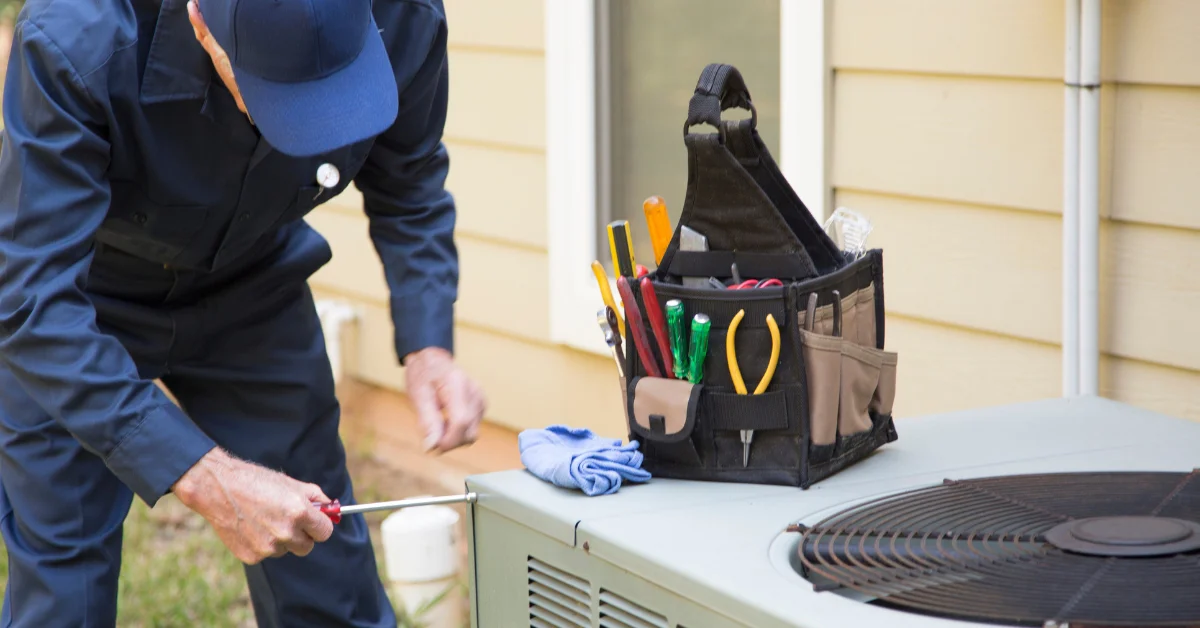
By the end of summer, air conditioning systems have usually been working long hours under intense heat. An inspection at this stage helps catch wear and tear before it turns into bigger problems later in the year.
Understanding what technicians check during an end-of-summer inspection can help you see why this step is so important for long-term system performance.
If your system has been running constantly this summer or is showing signs of strain, it may be time for a professional inspection. Schedule service online or call (817) 512-8321 before small issues grow into costly repairs.
Why End-of-Summer Inspections Matter
After months of heavy cooling, HVAC systems naturally experience stress. Even if the system is still working, internal parts may be worn or dirty.
An inspection helps:
- Identify early signs of system fatigue
- Improve efficiency before cooler months arrive
- Reduce the risk of unexpected breakdowns
- Extend overall system lifespan
Think of it as a "check-up" after a long workout season.
Airflow and Filter Condition
One of the first things technicians review is airflow. Poor airflow is one of the most common causes of reduced cooling performance.
They typically check:
- Air filters for dust buildup or blockage
- Vent openings for obstructions
- Air distribution throughout the home or building
Restricted airflow forces the system to work harder than necessary.
Cooling Performance and System Output
Technicians also test how well the system is actually cooling. Even if it feels "okay," performance can slowly decline over time.
They may evaluate:
- Temperature differences between the supply and return air
- How long does the system take to cool a space
- Whether cooling is consistent across rooms
Small performance drops can signal larger underlying issues.
Refrigerant Levels and Leaks
Refrigerant is the fluid that helps your system cool the air. If levels are low, the system cannot cool effectively.
During inspection, technicians may:
- Check refrigerant pressure levels
- Look for signs of leaks
- Confirm system balance and efficiency
Low refrigerant often leads to longer run times and higher energy use.
Electrical Components and Safety Checks
Electrical parts are essential for system operation, especially after months of constant use.
Technicians typically inspect:
- Wiring and connections for wear
- Capacitors and relays for proper function
- Signs of overheating or damage
These checks help prevent unexpected system failure.
Coil Cleaning and Condition
Evaporator and condenser coils play a major role in cooling performance. When they are dirty, the system struggles to transfer heat properly.
An inspection may include:
- Checking for dust and debris buildup
- Assessing coil condition
- Cleaning, if needed, for better efficiency
Clean coils help the system cool more effectively with less effort.
Drain Lines and Moisture Control
HVAC systems remove moisture from the air, which must drain properly. Blocked drain lines can lead to leaks or water damage.
Technicians often:
- Inspect condensate drain lines
- Check for clogs or buildup
- Ensure proper water flow away from the system
This helps prevent moisture-related issues inside the home or building.
Overall System Wear and Tear
After months of continuous use, technicians assess the system's overall condition.
This includes:
- Motor performance
- Belt condition (if applicable)
- General wear on moving parts
Catching wear early helps avoid sudden breakdowns during the next heavy-use season.
Why This Inspection Helps Long-Term
An end-of-summer HVAC inspection isn't just about fixing current issues—it's about preventing future ones.
Benefits include:
- Better system efficiency
- Fewer unexpected repairs
- Improved comfort consistency
- Longer equipment lifespan
When to Schedule Service
If your system worked hard this summer, made unusual noises, or struggled to keep up, scheduling an inspection is a smart next step. Early attention can prevent larger issues when seasons change.
Modern Air Services provides reliable HVAC support for homes and commercial spaces across Fort Worth.
Reach out to Modern Air Services online or call (817) 512-8321 to schedule your HVAC inspection today.